
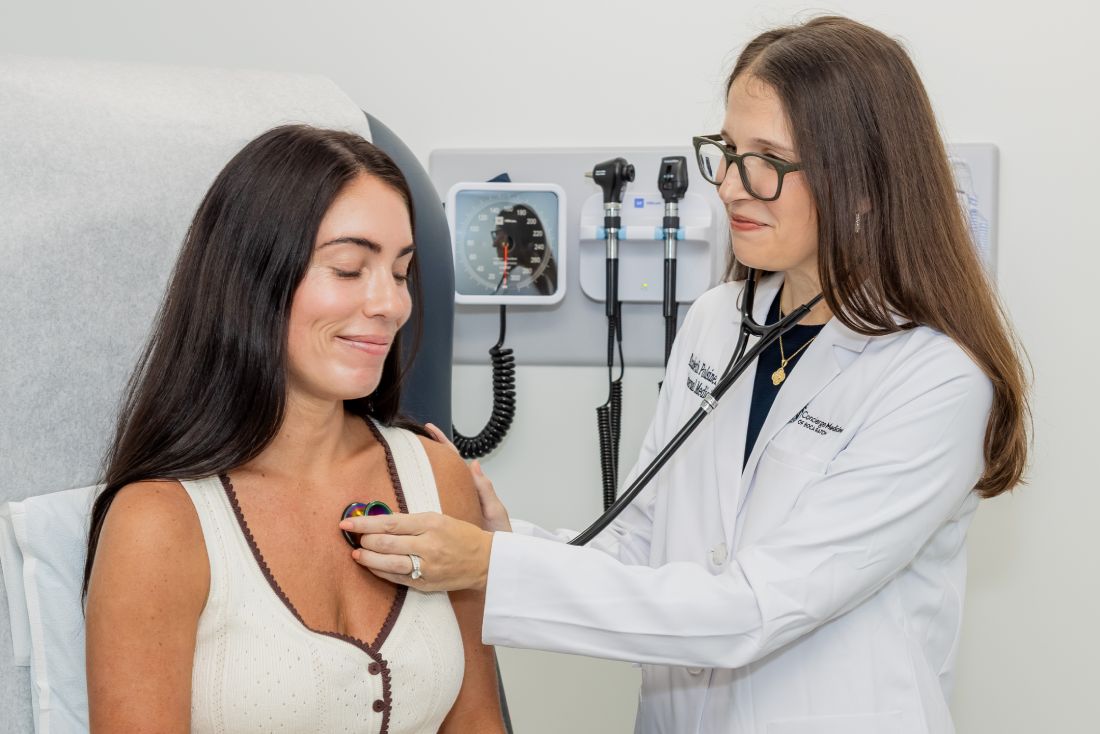
Most people have had the experience of leaving an annual physical in under twenty minutes and wondering whether anything meaningful happened. Blood pressure, weight, a brief listen to the heart and lungs, a standard lab panel, and a handshake. It is not that those things are unimportant. It is that they are the beginning of an evaluation, not the whole of one.
Why the standard visit is so short
The fifteen-minute appointment is a consequence of panel size. When a physician is responsible for thousands of patients, the schedule dictates the depth of the visit. Complexity gets deferred to the next appointment, and the next appointment is weeks away.
What a longer evaluation makes room for
Our executive physical is scheduled for ninety minutes, and the additional time is not spent on ceremony. It is spent on the parts of an assessment that a short visit cannot reach.
A real history. Family history in detail, not a checkbox. Occupational and travel exposures. Sleep. Alcohol. Stress and its physical expression. The medications and supplements you actually take rather than the ones listed in the chart.
Cardiovascular risk beyond a cholesterol number. Standard lipid panels tell an incomplete story. Advanced lipid testing, inflammatory markers, and where appropriate coronary calcium scoring give a far clearer picture of risk, and they often reclassify people in both directions.
Metabolic assessment. Insulin resistance develops years before a fasting glucose becomes abnormal. Looking earlier changes what can be done about it.
Body composition. Weight alone is a poor proxy for health. Distribution of muscle and fat is considerably more informative.
Cancer screening matched to you. Age-based guidelines are a floor, not a plan. Personal and family history, and in some cases genetic risk, should shape what gets screened and when.
Cognitive, functional, and mental health screening. Frequently skipped, frequently important.
Time to discuss the results. A physical that ends without an explanation of what the findings mean and what happens next is only half completed.
The point of all of it
An annual physical is not a formality to be survived. Done properly, it is the single best opportunity each year to find something early, correct a trajectory, and make deliberate decisions about the decade ahead rather than reacting to it.